
USC Researchers Presented Ways to use AI for Social Good at ShowCAIS 2026
USC Center for AI in Society Celebrated 10th Anniversary and Hosted Annual Symposium Featuring AI Research Across the University

Read More

USC Center for AI in Society Celebrated 10th Anniversary and Hosted Annual Symposium Featuring AI Research Across the University
Read More
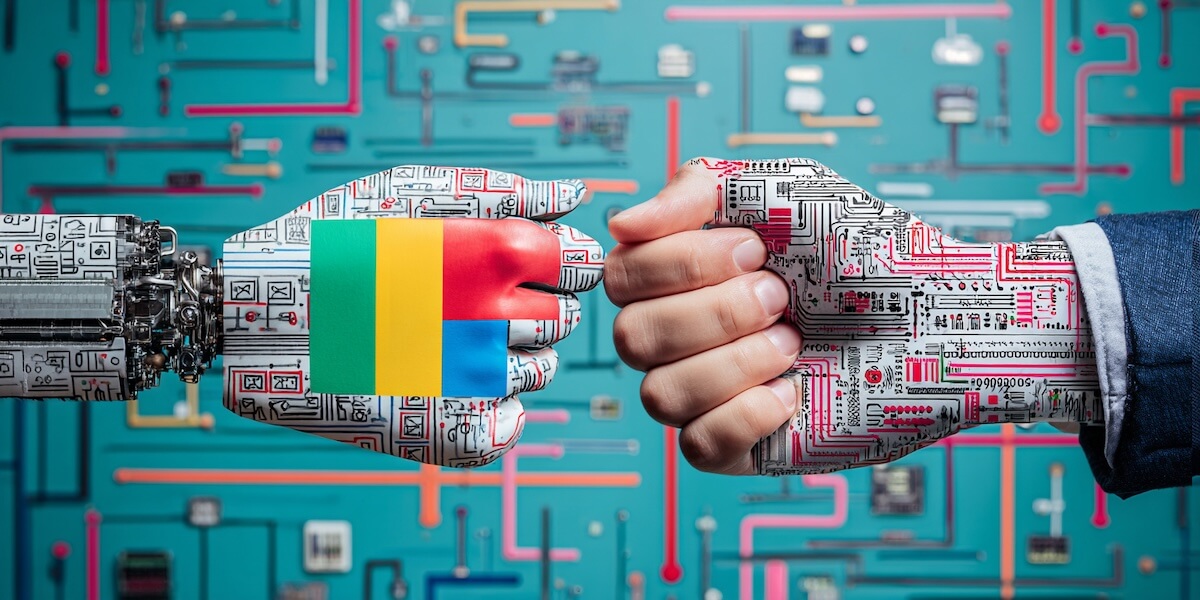
ISE faculty wins five competitive awards for work in AI, transportation, public health, mathematics and education
Read More

USC Viterbi Researcher Received Office of Naval Research’s Young Investigator Program Award With Upcoming Study on Dexterous Robotics
Read More

A new “Chat-HPV” tool built by USC Viterbi professors with help from USC Keck medicinal professionals saves wait time, avoids harm.
Read More

A discovery using graphene has produced a record-breaking high-temperature memory device, with implications for space exploration, deep-earth drilling, and the future of AI hardware.
Read More

The multitalented USC Viterbi professor was recognized by both the AAAI and IEEE in late November.
Read More

The ICT pioneer who built systems that made Holocaust survivors immortal and brought museum exhibits to life is stepping back—but not stepping away.
Read More
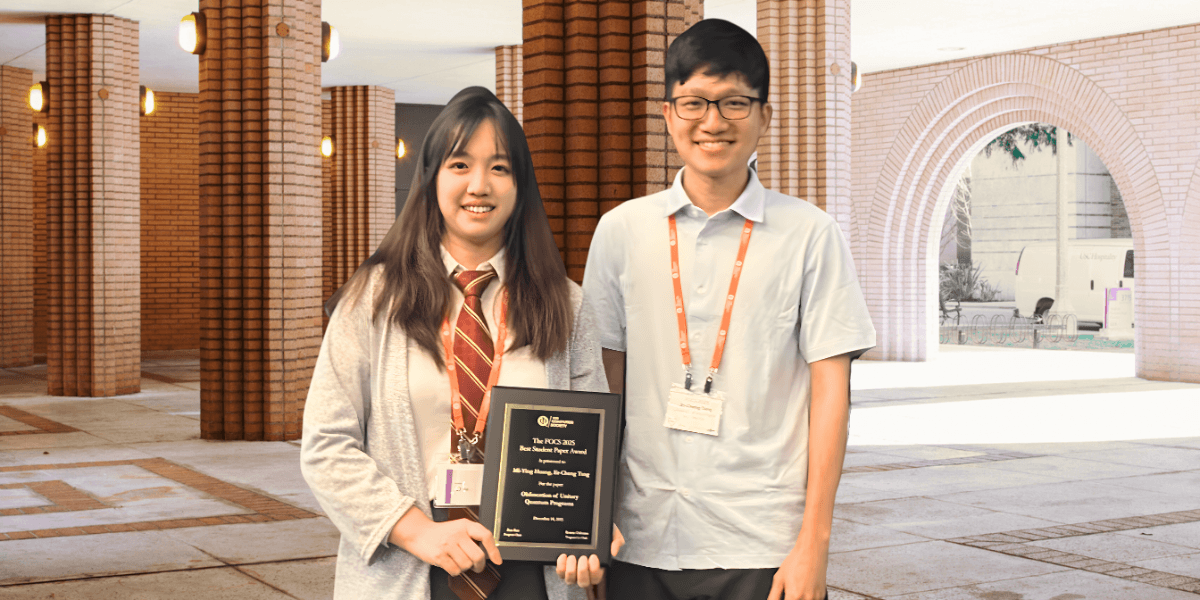
Miryam Huang is the first USC student to win the prestigious Machtey Award, recognized for solving a cryptographic problem first posed in 1976 and later asked as an open question in the quantum setting, with important implications for quantum cryptography.
Read More

The students were recognized for their work across unique computer science studies, but all involving artificial intelligence.
Read More
The findings carry stark implications for elections, public health, and anyone who relies on social media for information
Read More

A USC Viterbi undergraduate and her professor developed a method that allows AI to fix its own knowledge gaps in real time.
Read More

USC Viterbi Researchers Plan to Develop Mathematical Guardrails for AI Safety in Upcoming Study With Philanthropic Funding
Read More

USC study reveals users favor convenience over security, preferring to keep their current password managers even when better tools are free
Read More

Neil Siegel elected to prestigious academies for research on when artificial intelligence is ready for critical systems.
Read More

Professor Shrikanth Narayanan recognized by the NAE for pioneering contributions to human-centered AI and speech technologies with wide-ranging societal impact
Read More

USC researchers discover neurons have memory and use a single neuron’s activity to map entire brain networks, first to achieve this “mission impossible” that opens new possibilities for AI and neuroscience.
Read More

New infrastructure will help evaluate data sharing techniques for healthcare, transportation, and other sectors as part of NSF’s $10M privacy initiative
Read More

Shang-Hua Teng, S.K. Gupta and Massoud Pedram receive the prestigious honor in recognition of their contributions to innovation, invention and technology.
Read More
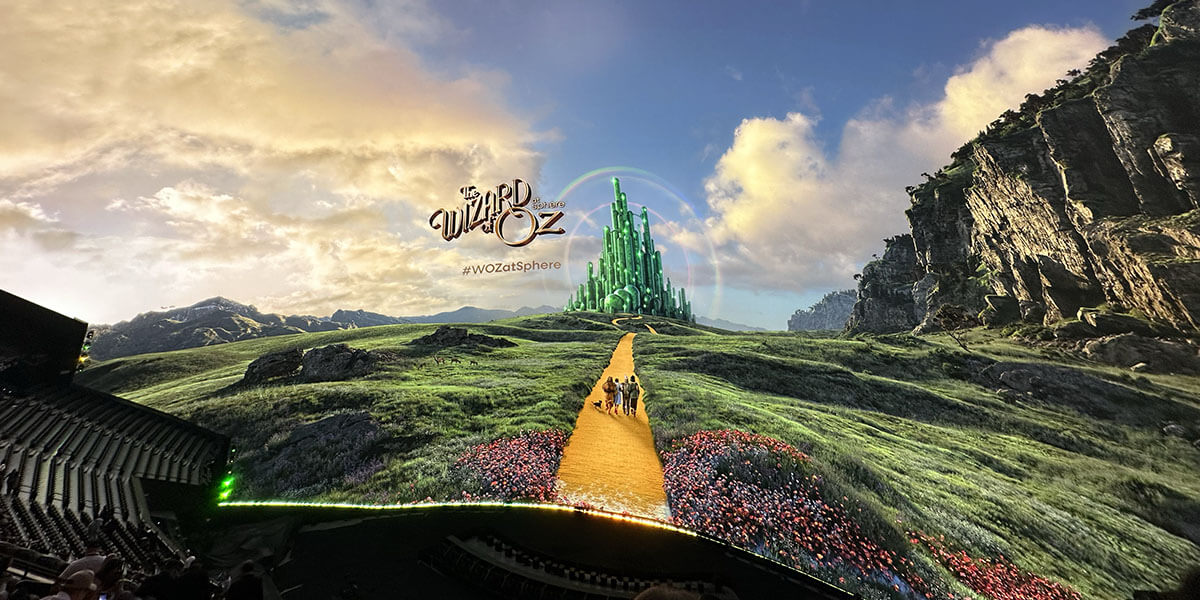
“Experience of a lifetime”: Suvaditya Mukherjee helps bring “The Wizard of Oz” to the Las Vegas Sphere using cutting-edge artificial intelligence.
Read More

Conversation with Richard Ho, OpenAI’s Head of Hardware offers advice to students, and insights on field as part of Ronald and Valerie Sugar Distinguished Speaker Series in Advanced Computing
Read More

Alumnus Mohammed Al-Suwaiyel, former minister of telecommunications and IT, has helped shape modern Saudi Arabia. Now, his family has given back to the school that helped shape him.
Read More
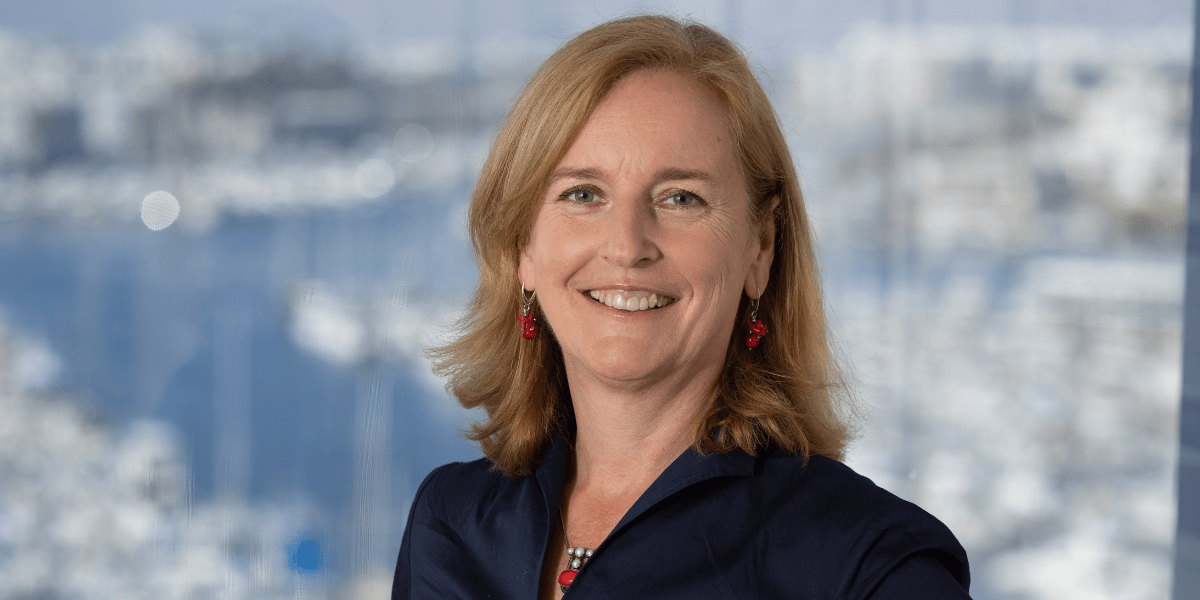
USC Viterbi Information Sciences Institute computer scientist Ewa Deelman, whose software has helped detect gravitational waves and map earthquake risks, has been honored with one of the field’s most prestigious awards.
Read More
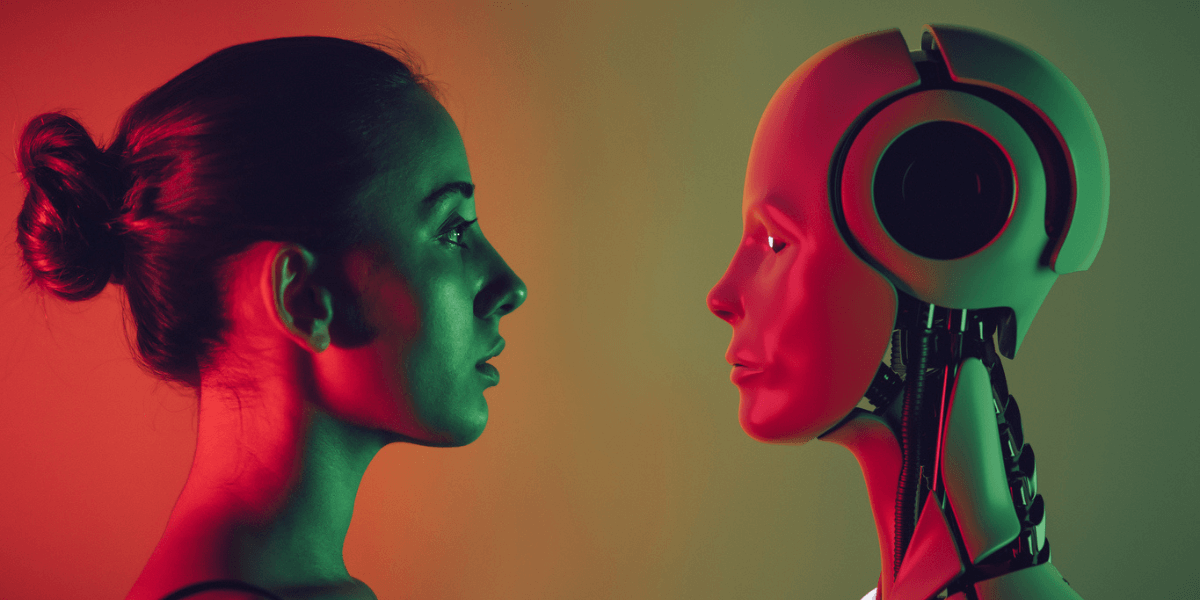
As artificial intelligence advances at breakneck speed, even the scientists building it admit they’re navigating uncharted territory where the line between revolutionary breakthrough and existential risk remains alarmingly unclear.
Read More
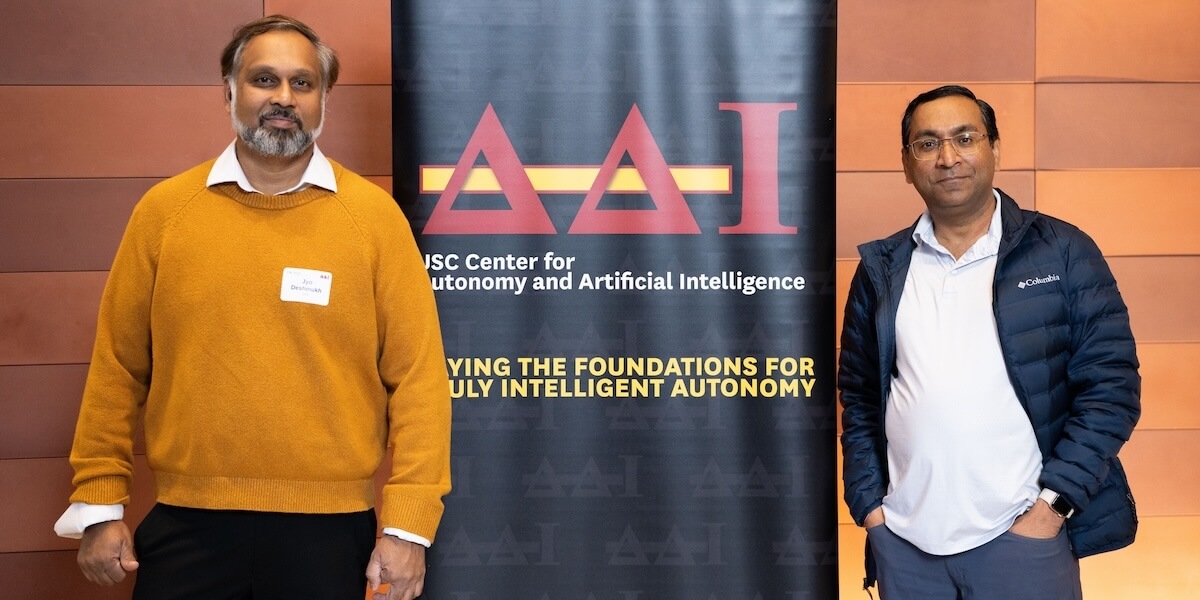
At the USC Center for Autonomy and AI’s fall workshop, participants grappled with a critical question: Can foundation models power the next generation of autonomous systems?