
Keeping Spacecraft Cool in the Harshest Heat
USC engineers develop a material that can withstand temperatures exceeding 600°C while dumping heat into space and protecting interior structures

Read More

USC engineers develop a material that can withstand temperatures exceeding 600°C while dumping heat into space and protecting interior structures
Read More

During his career at the USC Institute for Creative Technologies within USC Viterbi and USC Stevens, Professor Jonathan Gratch has helped define the science of affective computing and its role in shaping our increasingly complex relationships with intelligent machines.
Read More

In a new Nature Sustainability commentary, USC Viterbi researcher argues advanced water modeling can reduce uncertainty and help turn water disputes into opportunities for cooperation.
Read More

The USC Viterbi and Stevens researchers’ automated system analyzes multilingual job postings to identify deceptive recruitment tactics, risky platforms and industries targeted by traffickers
Read More

USC Viterbi scientists built a device of five thin atomic layers that could make memory chips dramatically denser, cheaper, and powerful enough to run AI on your phone without sending a single byte to the cloud.
Read More

USC pioneer honored for grid-computing breakthroughs that helped reshape large-scale science and anticipated the cloud
Read More

BME50 – A USC Viterbi bioengineer is building digital tumors, cell by cell, with a goal that could change how oncologists treat breast cancer: knowing in advance which patients immunotherapy will actually help.
Read More

Each year, the USC Institute for Creative Technologies at USC Viterbi and USC Stevens hosts a summer program where visiting undergraduates participate in mentored research, combining advanced computing with expertise in psychology, linguistics and immersive media.
Read More

BME50 – A USC Viterbi bioengineer’s implantable device that any researcher can use, modify, and build on is nearly ready for its first animal test. Getting here required reinventing not just the hardware, but how science shares its tools.
Read More

BME50 – A USC neurosurgeon and engineer argues that the tools to monitor the brain cheaply and without surgery are within reach – and that getting there requires putting engineers where patients actually are.
Read More

USC-led SWIFT project aims to reinvent the transistor using waves of magnetism, potentially slashing energy use and cooling costs, while helping GPS resist jamming
Read More

BME50 – At the Alfred E. Mann Department of Biomedical Engineering’s 50th anniversary symposium, four researchers showed how far a device can travel: from a laser cutter in a campus lab to a clinical trial, from a lollipop to a diagnostic tool, from a blind eye to restored vision.
Read More

USC Viterbi and USC Stevens engineers reveal how AI models misinterpret emotional cues from audio and video, and introduce a framework to help them reason with real evidence
Read More
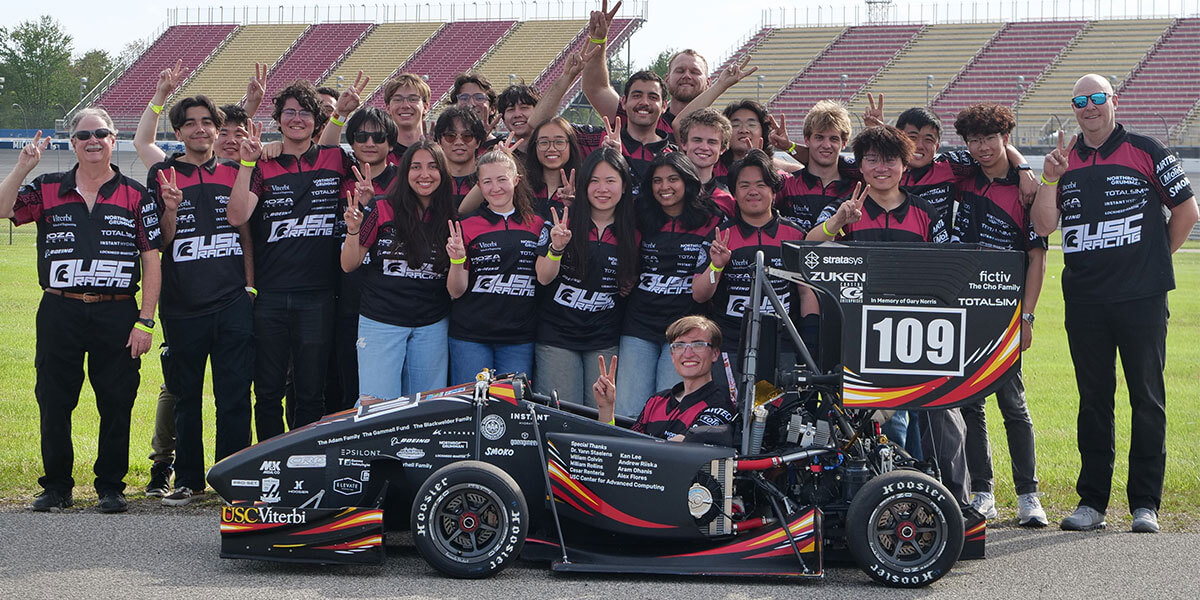
For the Auto Club of Southern California’s summer campaign against illegal street racing, the student-run design team USC Racing demonstrated how safety is built into every stage of developing a competitive race car.
Read More
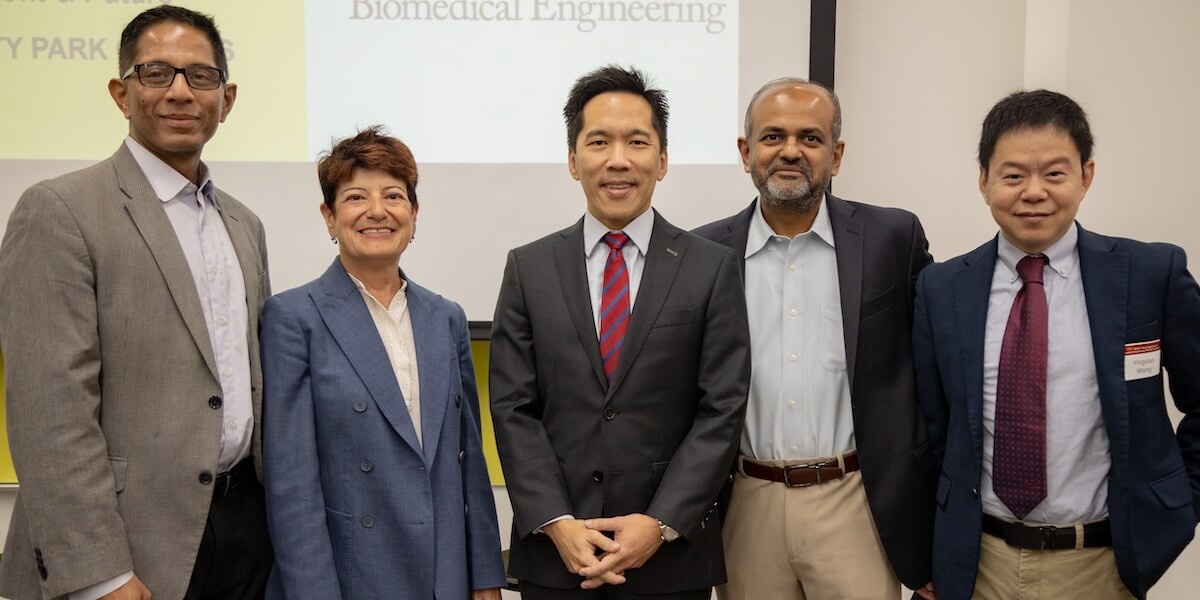
BME 50 – The Alfred E. Mann Department of Biomedical Engineering at USC Viterbi and Keck celebrated 50 years of excellence and innovation with a two-day gathering
Read More

USC Viterbi researcher Adam Simpson studies compounds created when industrial disinfectants alter food, and whether those changes could affect human health.
Read More

USC AI researcher and robotics pioneer find that LLMs can make human-like predictions by observing players in social games but struggle to learn from experience and apply what they learn to new situations
Read More

With an expanded role in NSF AI4OPT’s second phase, USC will lead AI for Optimization research, bring together a larger interdisciplinary team and host the Seth Bonder summer camp
Read More

Four USC Viterbi researchers selected for the Argonne National Laboratory extreme-scale computing program are learning how to run complex scientific simulations on the world’s most powerful supercomputers.
Read More

USC Viterbi and USC Stevens researchers trace a costly, invisible bias in AI systems back to a single factor: your address
Read More

USC Viterbi and USC Stevens researchers identified a loophole in content moderation reporting regulation and proposed a statistical solution later reflected in updated European Union policy
Read More

USC Viterbi and USC Stevens researchers at ISI found that many cybersecurity research artifacts carrying top-tier evaluation badges were difficult to find, install or run
Read More

USC researchers are building ALICE to test whether chatbots give people medical information that is accurate, complete and safe to act on
Read More
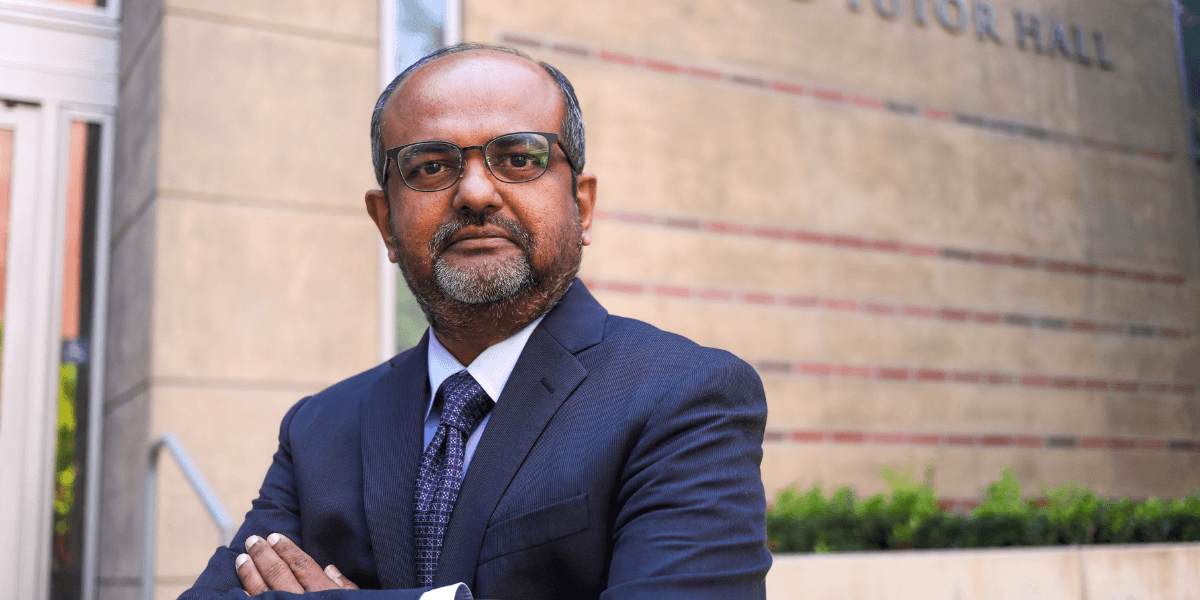
Five ideas from USC Viterbi Dean (Interim) Gaurav Sukhatme’s Marketplace Tech conversation that explore the role of universities in the age of AI.