

Dean's Editorial
About seven months ago, we woke up to a new reality. Seven months later, our world still struggles to contain a global pandemic. When the contagion started, I thought that the most important challenge was that it will test what we value. And, so it did. And it will continue to do so, in the near future and in the post-COVID world.
What have we learned these past months?
Initiatives
How the USC engineering community came together
to answer a global call to action
- Searching for a viable vaccine and identifying therapeutic treatments that can improve recovery times for COVID-19 patients.
- Faculty:
- Pin Wang, professor in the Mork Family Department of Chemical Engineering and Materials Science
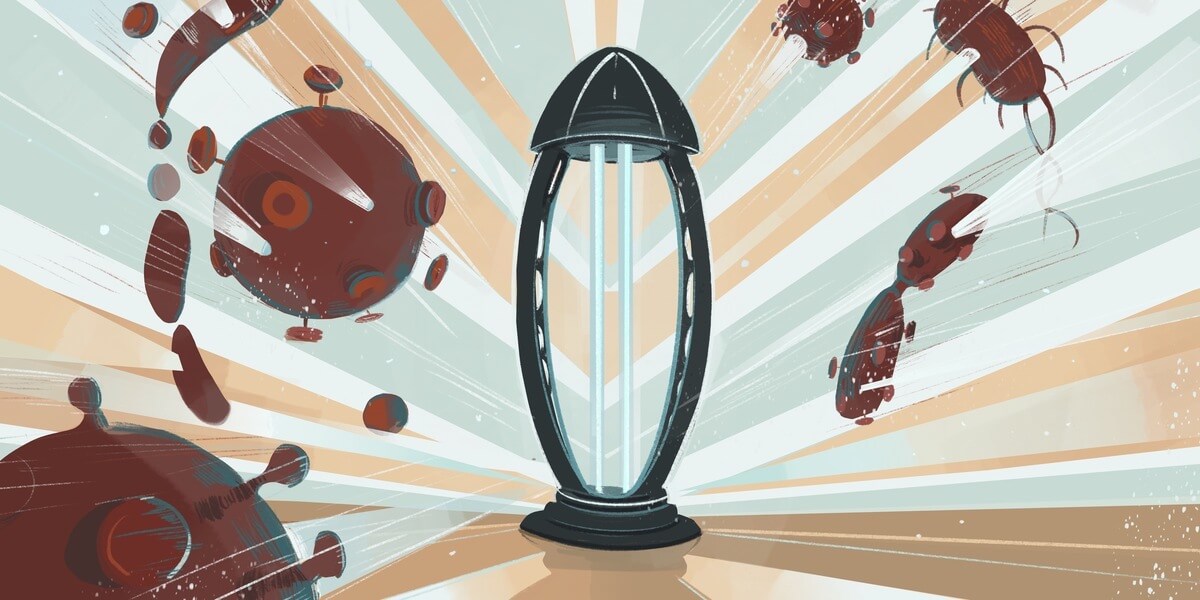
- Developing a virus-busting PPE disinfectant method that utilizes UV light to monkey-wrench the genetic code of coronavirus so it can’t replicate itself. It can also be rapidly deployed at multiple locations, making secondary disinfection a decentralized process.
- Adapting a 2017 project, ADAMM (Agile Dexterous Autonomous Mobile Manipulation System) to disinfect spaces remotely and autonomously using a six-jointed robotic arm that sprays CDC-approved chemical disinfectants to completely coat surfaces.
- Faculty:
- Andrea Armani, Ray Irani Chair in Chemical Engineering and Materials Science and Professor of Chemical Engineering and Materials Science
- Satyandra K. Gupta, Smith International Professorship in Mechanical Engineering and Professor of Aerospace and Mechanical Engineering and Computer Science
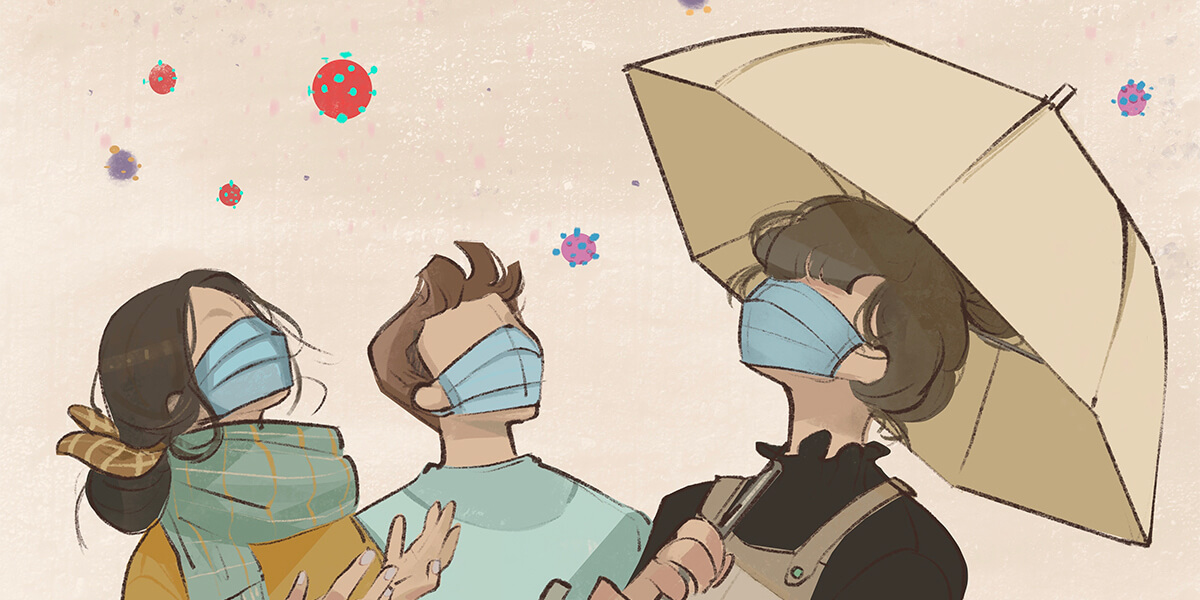
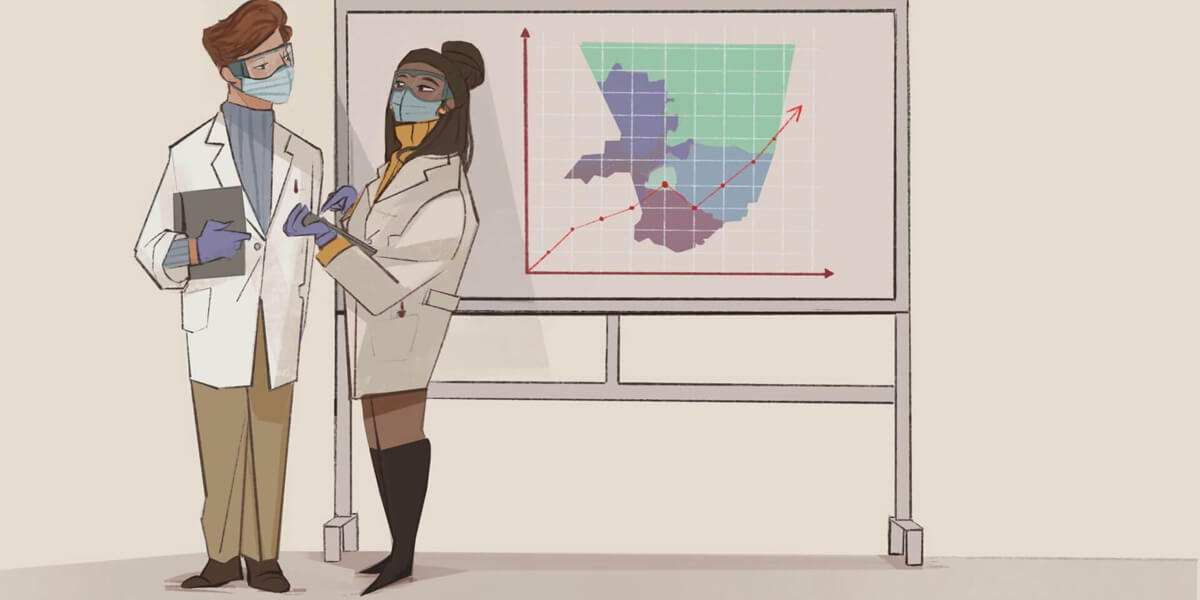
- Developing models to better forecast what the pandemic might do next and provide these prognoses quickly to decision makers.
- Faculty:
- Viktor Prasanna, Charles Lee Powell Chair in the Ming Hsieh Department of Electrical and Computer Engineering
- Adam Smith, associate professor of Civil and Environmental Engineering
- Building a contact-tracing app that allows users to enter symptoms and locations visited, providing individualized risk analysis, identifying potential hot spots and giving researchers a better idea of how the virus is spreading while safeguarding user privacy.
- Faculty:
- Cyrus Shahabi, Helen N. and Emmett H. Jones Professorship in Engineering and Professor of Computer Science and Electrical and Computer Engineering
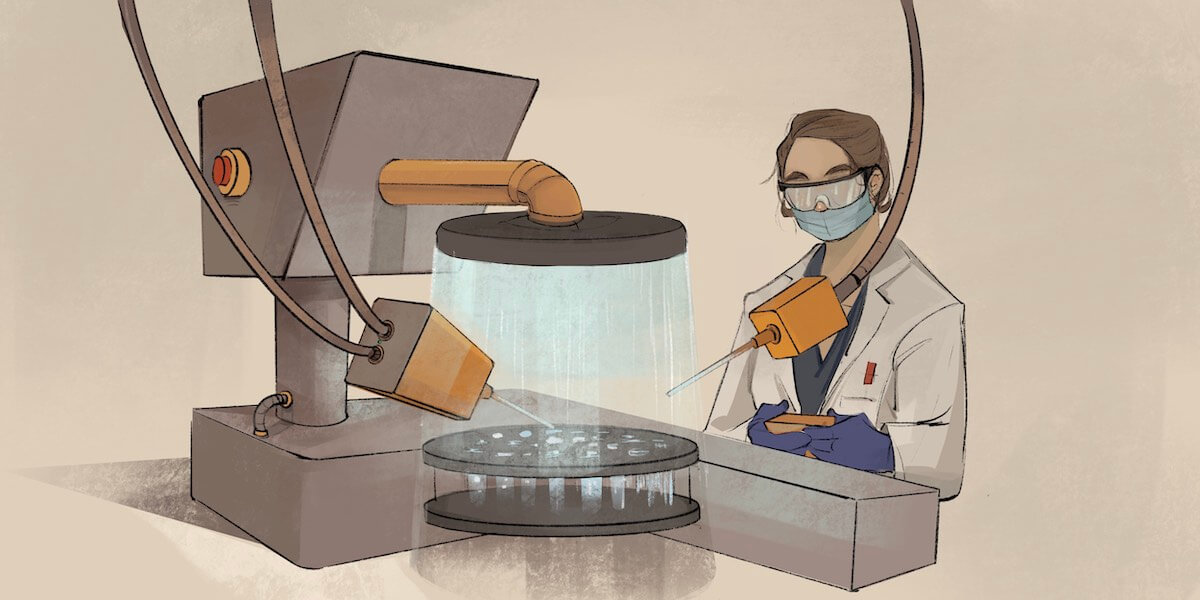
- Supporting hospitals around the country, starting with USC Keck Medical Center, with the production of masks, ventilators and even swabs.
- Faculty and Students:
- Satyandra K. Gupta, Smith International Professorship in Mechanical Engineering and Professor of Aerospace and Mechanical Engineering and Computer Science
- Andrea Armani, Ray Irani Chair in Chemical Engineering and Materials Science and Professor of Chemical Engineering and Materials Science
- Yong Chen, professor of industrial and systems engineering and aerospace and mechanical engineering
- USC Viterbi alumna MacKenzie McClung, B.S. ‘20
- Empowering a global task force of USC Viterbi alums and National Academy of Engineering (NAE) Grand Challenges Scholars to crowdsource and brainstorm engineering solutions to the pandemic through the NAE’s Call to Action at an expedited pace with the support of the NSF sponsored I-Corps Innovation Node Los Angeles.
- Faculty and Students:
- Yannis Yortsos, co-founder of the Grand Challenges Scholars Program
- Najm Meshkati, a Grand Challenges Scholars Program faculty adviser and a professor of civil and environmental engineering, industrial systems engineering and international relations
- Alice Liu, assistant director for the Office of Technology Innovation and Entrepreneurship
- USC Viterbi alumna Julia Sircar, B.S.’20
- Analyzing millions of tweets to investigate how false information about the coronavirus spreads on social media, as well as to monitor public sentiment toward related policies.
- Faculty:
- Yan Liu, Philip and Cayley MacDonald Endowed Early Career Chair and associate professor of computer science
"Viterbi vs. Pandemics!"
Lecture Series
Lecture Series
A lecture series that addresses epidemics in a comprehensive way from the perspective of USC Viterbi faculty who have contributed in developing new understanding and new methods to predict, analyze, and combat COVID-19.


USC Viterbi By The Numbers
Student Population
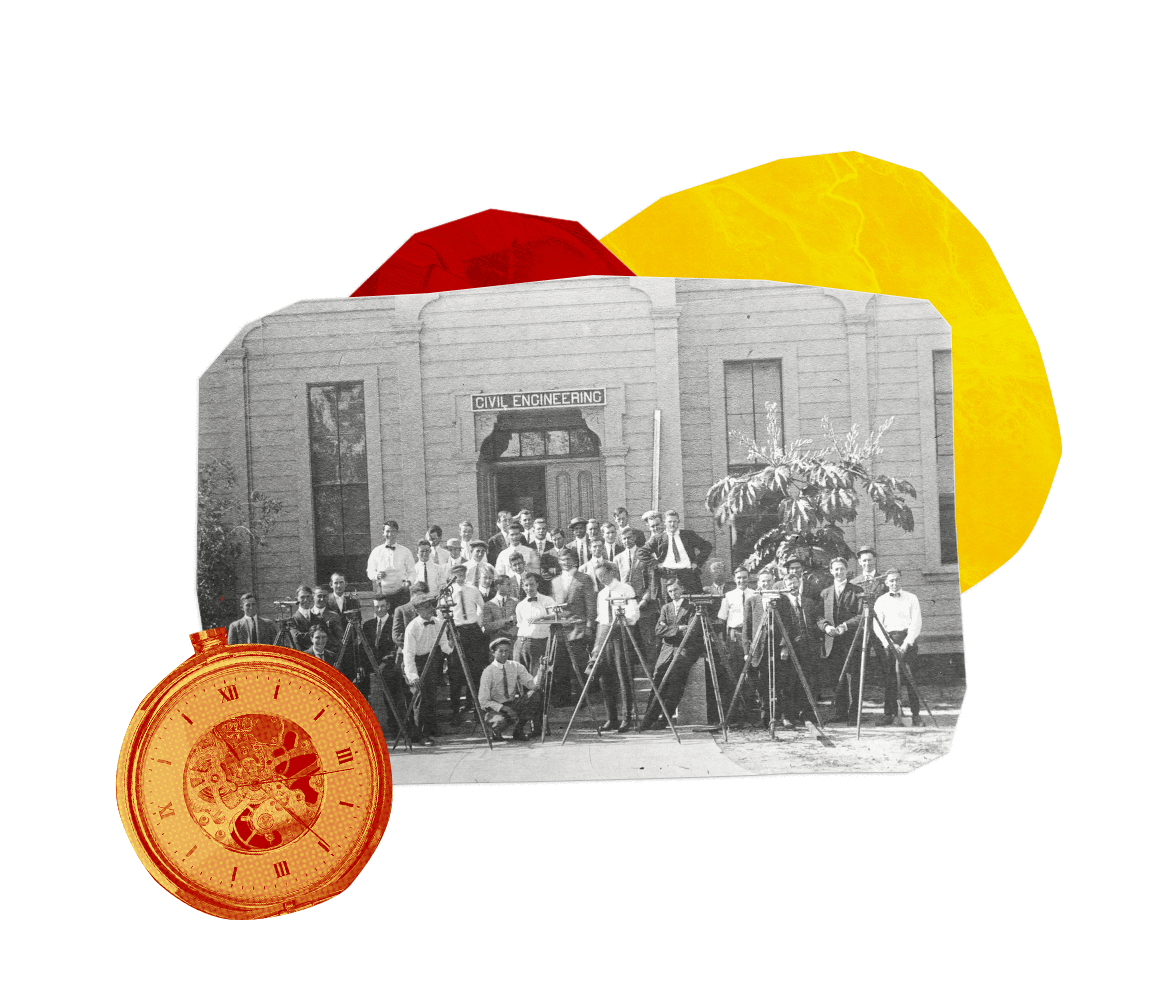
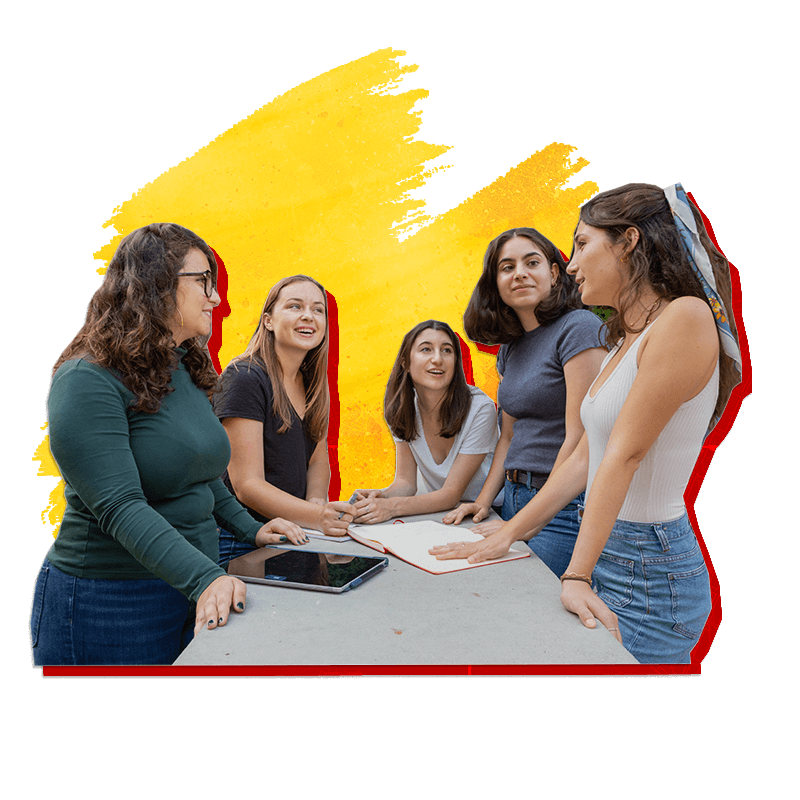
Today the student population is
approximately 2,800 undergraduate
and 6,200 graduate students
Alumni
Academic Departments
Research Expenditures
with more than 46 research centers
and institutes
and institutes
Faculty
Tenure-track faculty
Endowed and honorific
NSF Career Awardees
Full-time,tenure-track
NAE members (31 total affiliated)
NAS members
MIT TR35 winners
Nobel Prize laureates
(George A. Olah, Arieh Warshel)
Centers and Institutes
Home to:
» Information Sciences Institute (ISI)
» The Ming Hsieh Institute
» The Daniel J. Epstein Institute
» Innovation Node-Los Angeles, National Science Foundation’s (NSF)
» University Center of Excellence of the U.S. Department of Homeland Security - Center for Risk and Economic Analysis of Terrorism Events (CREATE)
» DOE/White House Materials Genome Initiative Center
» Center for Artificial Intelligence in Society (CAIS)
» Center on Cyber-Physical Systems and the Internet of Things (CCI)
» Machine Learning Center (MaSCle)
» Center for Energy and Nanoscience
» USC-Lockheed Martin Quantum Computation Center
» Center for Interactive Smart Oilfield Technologies (CiSoft)
» Pratt & Whitney Institute for Collaborative Engineering (PWICE)
» Airbus Institute for Engineering Research (AIER)
» NIH Center on Genomics and Phenomics of Autism
» USC Energy Institute
»USC Center for Sustainability Solutions
»Northrop Grumman Institute of Optical Nanomaterials and Nanophotonics (NG-ION2)
»Center for Advanced Manufacturing (CAM)
Affiliated with:
» Alfred E. Mann Institute for Biomedical Engineering (AMI)
» USC Institute for Creative Technologies (ICT)
» USC Stevens Center for Innovation
Education Centers
» Division of Engineering Education
» KIUEL (Klein Institute for Undergraduate Engineering Life)
» VAST: Viterbi Adopt-a-School, Adopt-a-Teacher
» Viterbi Student Innovation Institute (VSI2)
Published on October 26th, 2020
Last updated on November 17th, 2025
 We learned how much we should value education. Particularly in times of exponential change, like today, where uninformed decisions have debilitating consequences. And while most, if not all our classes this semester are online, we see as our moral responsibility to offer the highest quality of education for all our students all over the world. The experience we will have in the fall, unanticipated as it is, will also help us invent the future. To this goal, we will explore multiple avenues for the creation of community, for the active engagement with our students, and for creating all means that will probe the boundaries of connectivity as far as possible. In many ways, our students will be the co-creators of such innovation.
 Almost right after COVID-19 became part of our vocabulary, the National Academy of Engineering launched a Call to Action against it. This cross-generational project includes engineers of all generations, from baby boomers to Gen Z’ers. Having the honor to chair its executive committee, I know how exciting it is to usher in innovative solutions, by accomplished engineers or by bright new engineering students, including our Grand Challenges Scholars.