Carl Kesselman Wins 2026 HPDC Achievement Award
USC pioneer honored for grid-computing breakthroughs that helped reshape large-scale science and anticipated the cloud


Read More
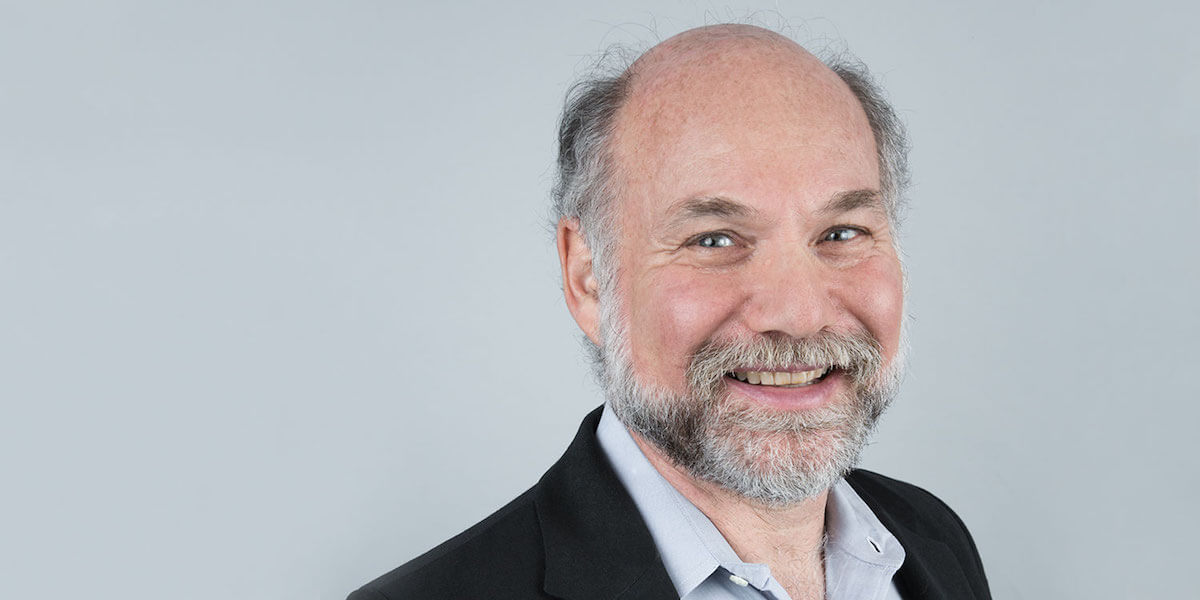
USC pioneer honored for grid-computing breakthroughs that helped reshape large-scale science and anticipated the cloud
Read More

BME50 – A USC Viterbi bioengineer is building digital tumors, cell by cell, with a goal that could change how oncologists treat breast cancer: knowing in advance which patients immunotherapy will actually help.
Read More

BME50 – A USC Viterbi bioengineer’s implantable device that any researcher can use, modify, and build on is nearly ready for its first animal test. Getting here required reinventing not just the hardware, but how science shares its tools.
Read More
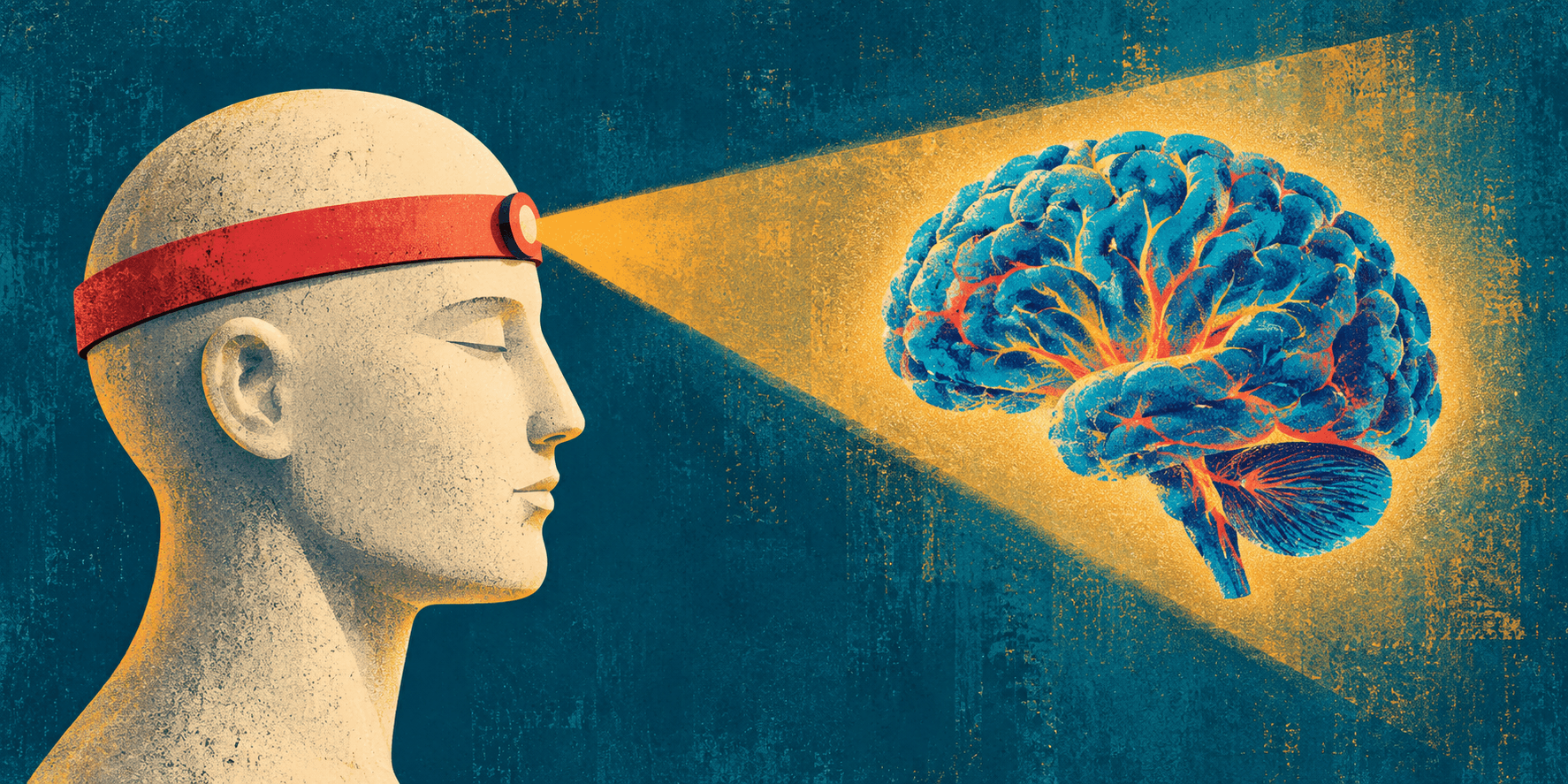
BME50 – A USC neurosurgeon and engineer argues that the tools to monitor the brain cheaply and without surgery are within reach – and that getting there requires putting engineers where patients actually are.
Read More

USC-led SWIFT project aims to reinvent the transistor using waves of magnetism, potentially slashing energy use and cooling costs, while helping GPS resist jamming
Read More

BME50 – At the Alfred E. Mann Department of Biomedical Engineering’s 50th anniversary symposium, four researchers showed how far a device can travel: from a laser cutter in a campus lab to a clinical trial, from a lollipop to a diagnostic tool, from a blind eye to restored vision.
Read More

USC Viterbi and USC Stevens engineers reveal how AI models misinterpret emotional cues from audio and video, and introduce a framework to help them reason with real evidence
Read More
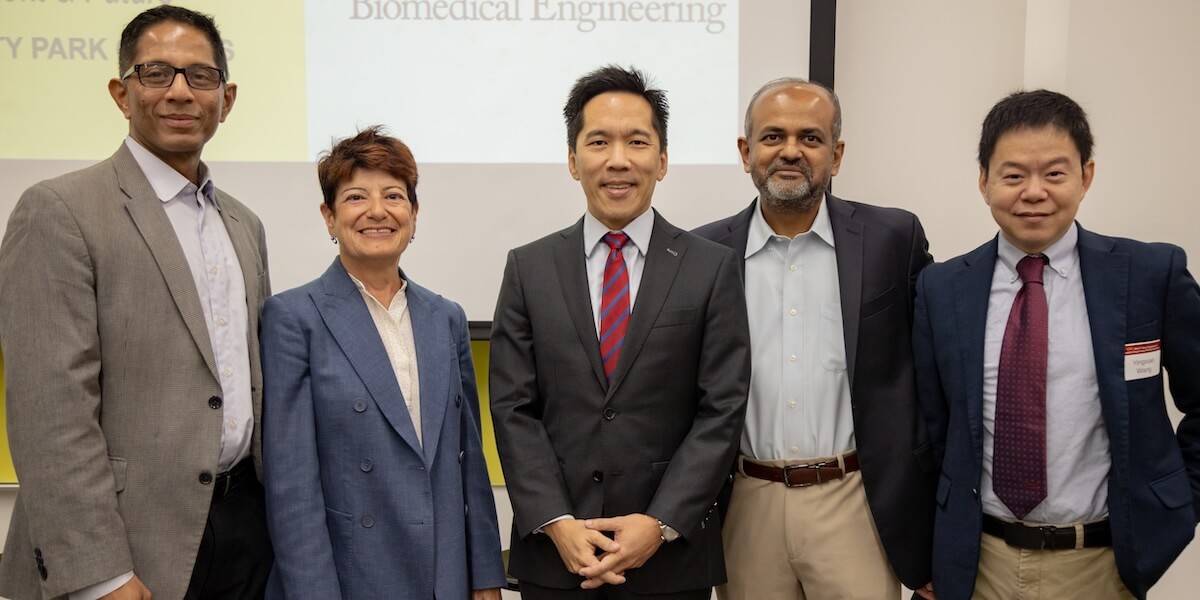
BME 50 – The Alfred E. Mann Department of Biomedical Engineering at USC Viterbi and Keck celebrated 50 years of excellence and innovation with a two-day gathering
Read More

USC Viterbi researcher Adam Simpson studies compounds created when industrial disinfectants alter food, and whether those changes could affect human health.
Read More

USC AI researcher and robotics pioneer find that LLMs can make human-like predictions by observing players in social games but struggle to learn from experience and apply what they learn to new situations
Read More

With an expanded role in NSF AI4OPT’s second phase, USC will lead AI for Optimization research, bring together a larger interdisciplinary team and host the Seth Bonder summer camp
Read More

USC Viterbi and USC Stevens researchers trace a costly, invisible bias in AI systems back to a single factor: your address
Read More

USC Viterbi and USC Stevens researchers identified a loophole in content moderation reporting regulation and proposed a statistical solution later reflected in updated European Union policy
Read More

USC Viterbi and USC Stevens researchers at ISI found that many cybersecurity research artifacts carrying top-tier evaluation badges were difficult to find, install or run
Read More

USC researchers are building ALICE to test whether chatbots give people medical information that is accurate, complete and safe to act on
Read More
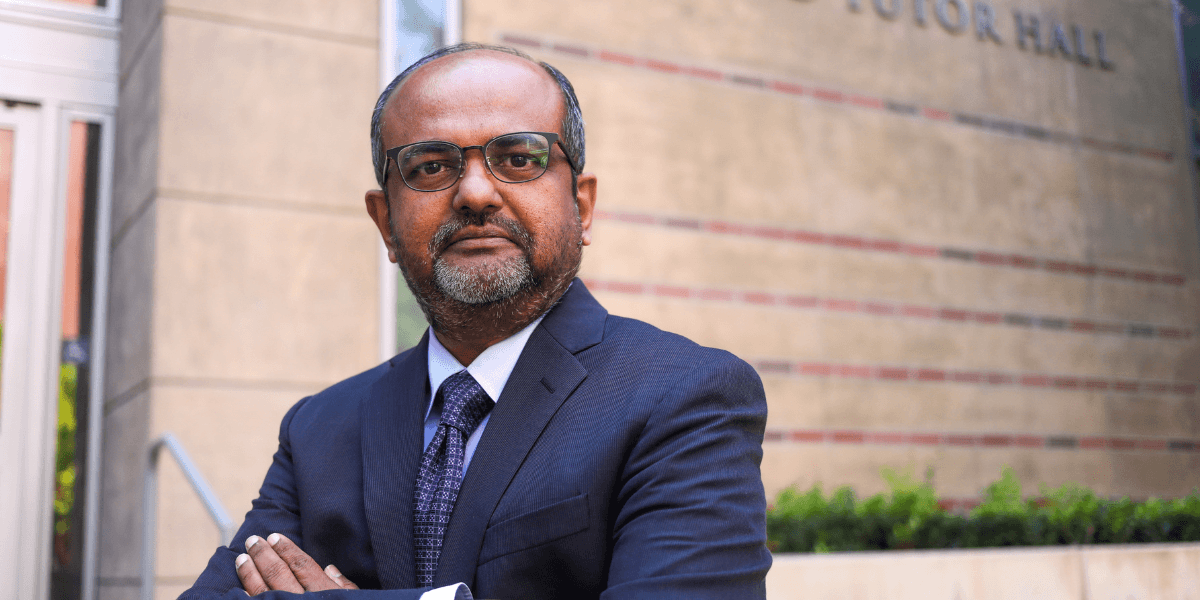
Five ideas from USC Viterbi Dean (Interim) Gaurav Sukhatme’s Marketplace Tech conversation that explore the role of universities in the age of AI.
Read More

A USC-led collaboration has received Department of Energy Genesis Mission funding to develop an AI framework for unprecedented high-fidelity turbulence simulation.
Read More
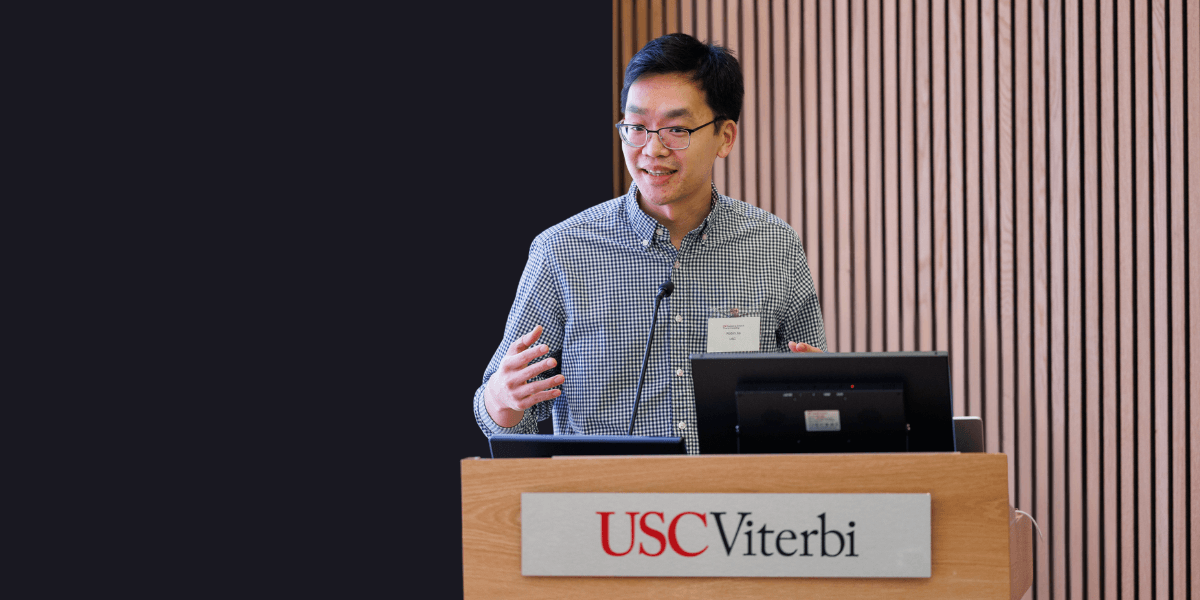
Through AI interpretability research, Robin Jia answers five questions about AI– from emotions and consciousness to learning, decision-making and speed
Read More

An award-winning study from the USC Institute for Creative Technologies and the US Army Research Laboratory applies natural language dialogue to help humans and intelligent systems coordinate knowledge and achieve shared goals.
Read More

USC computer scientists develop tools to screen agents before they act, block risky actions in real time and trace their decisions after the fact
Read More

When USC Viterbi researchers developed a way to look inside a powerful AI model, they found evidence that it had independently learned one of chemistry’s most fundamental concepts: the chemical bond.
Read More

USC researchers developed a technique that uses focused ultrasound to temporarily “light up” solid tumors, giving cancer-fighting immune cells a target they can finally recognize.
Read More

By combining quantum computing with artificial intelligence, USC researchers are laying the groundwork for medical imaging tools that could help doctors diagnose cancer and plan treatments more precisely
Read More

Researchers identified why audio AI models miss tone, emotion and other audio cues – and developed new solutions that dramatically improve their ability to interpret speech beyond words