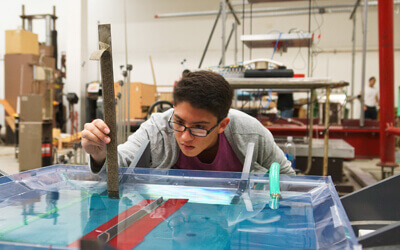





Making AI safe and fair
How ISI researchers are engaging in research, policy and thought leadership to guide AI toward positive futures.
Read More

How ISI researchers are engaging in research, policy and thought leadership to guide AI toward positive futures.
Read More
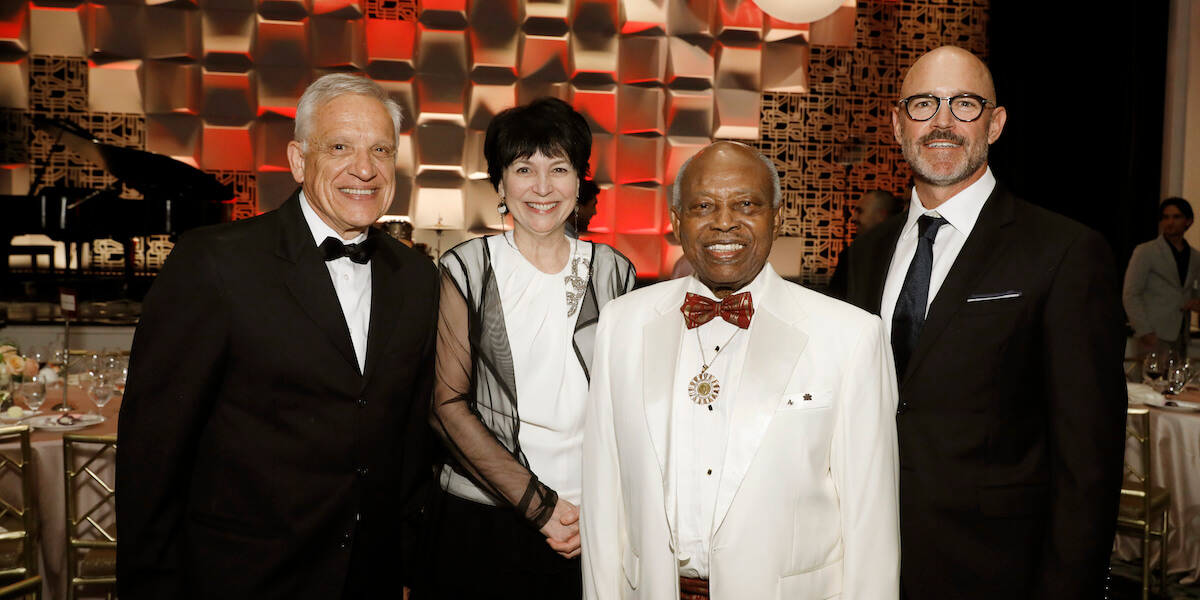
The 45th annual Viterbi Awards celebrated major USC Viterbi anniversaries and milestones
Read More
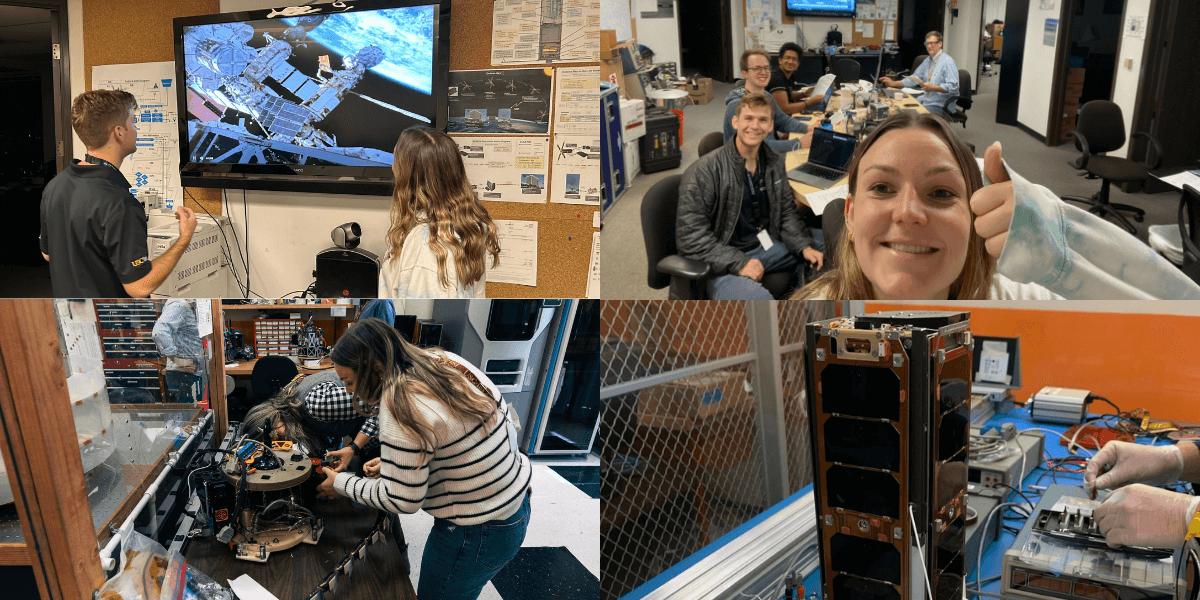
USC ISI researchers are building tools to solve safety problems in space operations, and creating test beds to simulate cyberattacks in space
Read More

EPISODE 22 | ISI’s Artificial Intelligence director, anthropologist Adam Russell, gets to know his researchers. This week: Justin Cho
Read More

USC ISI computer scientists are developing language technologies that could potentially identify who wrote anonymous text.
Read More
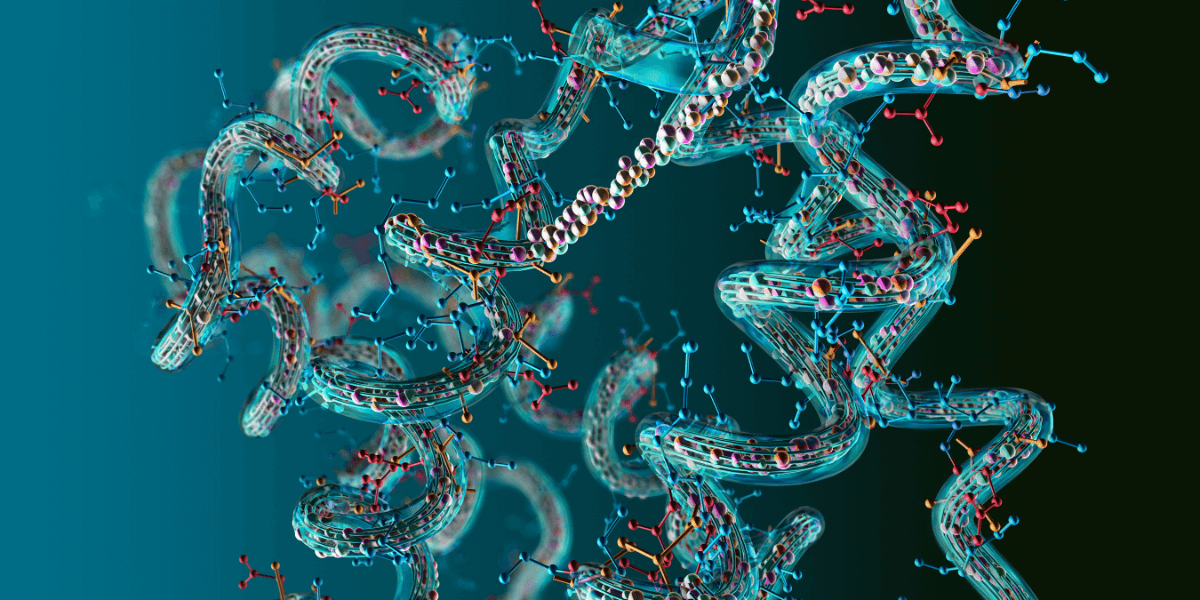
ISI researchers are part of a core team developing the PDB-Dev repository, initiated by the Protein Data Bank, a foundational repository for macromolecular structures
Read More
EPISODE 21 | ISI’s Artificial Intelligence director, anthropologist Adam Russell, gets to know his researchers. This week: Kristina Lerman
Read More
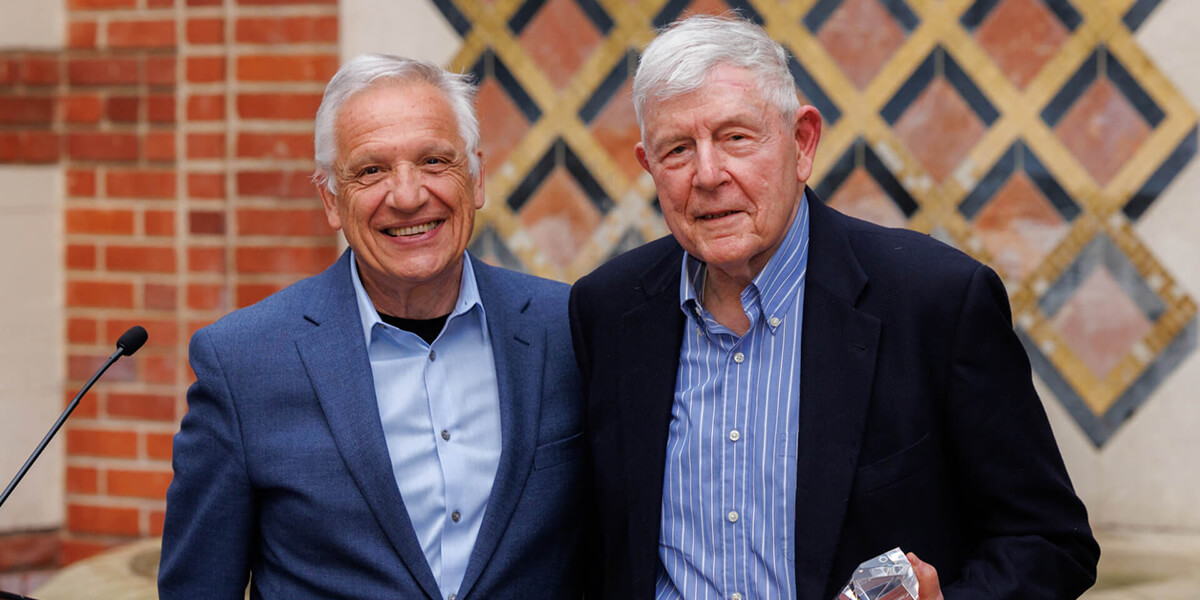
Past and present USC Viterbi notables gathered to remember the work of an admired visionary.
Read More
EPISODE 20 | ISI’s Artificial Intelligence director, anthropologist Adam Russell, gets to know his researchers. This week: Alex Spangher
Read More
EPISODE 19 | ISI’s Artificial Intelligence director, anthropologist Adam Russell, gets to know his researchers. This week: Casandra Rusti
Read More
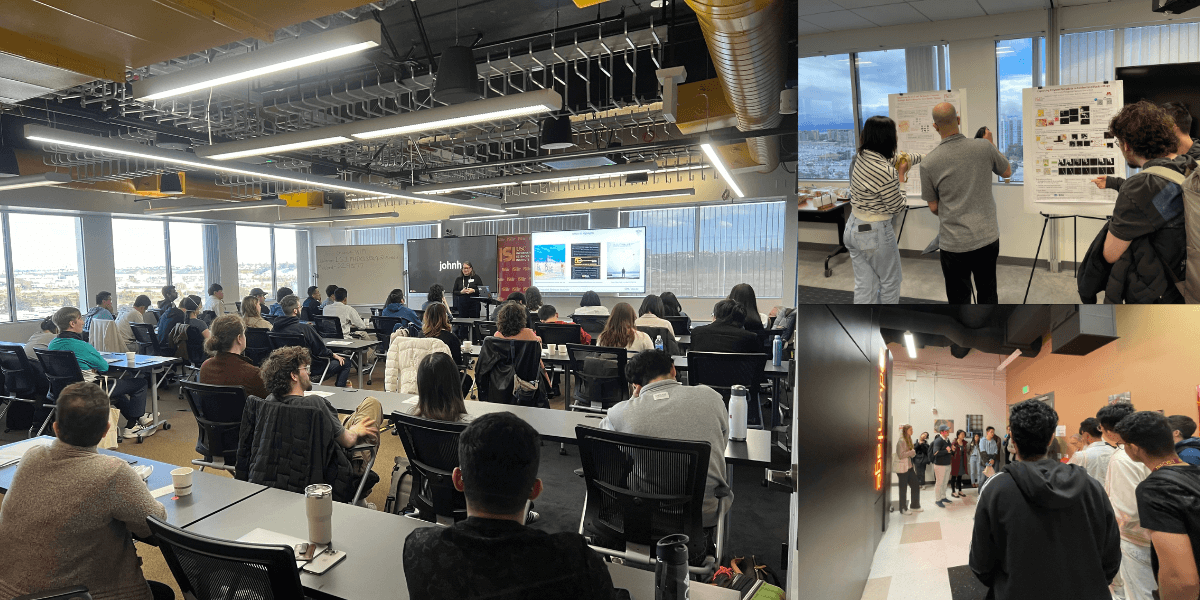
Prospective graduate students traveled to ISI’s Marina Del Rey headquarters to experience the institute’s academic environment.
Read More
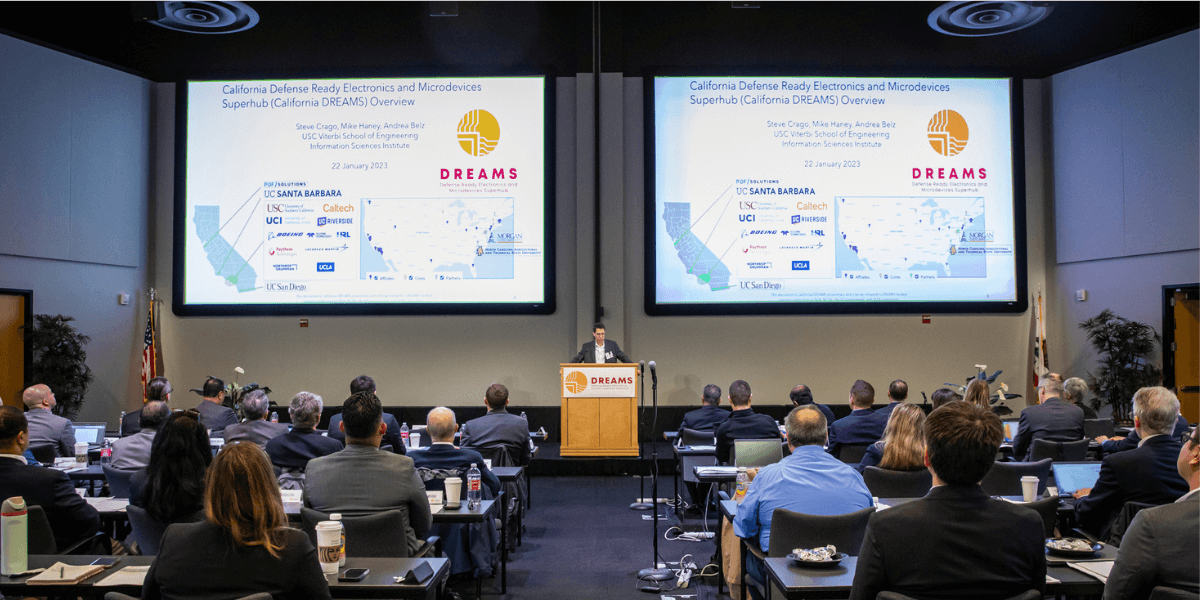
USC is tapped to lead the Defense Ready Electronics and Microdevices Superhub of Southern California.
Read More

USC researchers explore the impact of prompt design on large language model performance.
Read More
EPISODE 18 | ISI’s Artificial Intelligence director, anthropologist Adam Russell, gets to know his researchers. This week: Shushan Arakelyan
Read More

USC ISI research teams to devise tests for quantum computers to inform DOD investment
Read More

USC researchers uncover social media’s “vicious cycle” that traps vulnerable populations within pro-anorexia communities.
Read More
EPISODE 17 | ISI’s Artificial Intelligence director, anthropologist Adam Russell, gets to know his researchers. This week: Basel Shbita
Read More
EPISODE 16 | ISI’s Artificial Intelligence director, anthropologist Adam Russell, gets to know his researchers. This week: Julie Jiang
Read More

USC will be one of approximately 30 universities helping to advance the development and deployment of safe, trustworthy AI under a new U.S. Government Safety Institute
Read More
EPISODE 15 | ISI’s Artificial Intelligence director, anthropologist Adam Russell, gets to know his researchers. This week: Jay Pujara
Read More

From biotech to misinformation, some of today’s biggest policy challenges are informed by researchers at ISI.
Read More
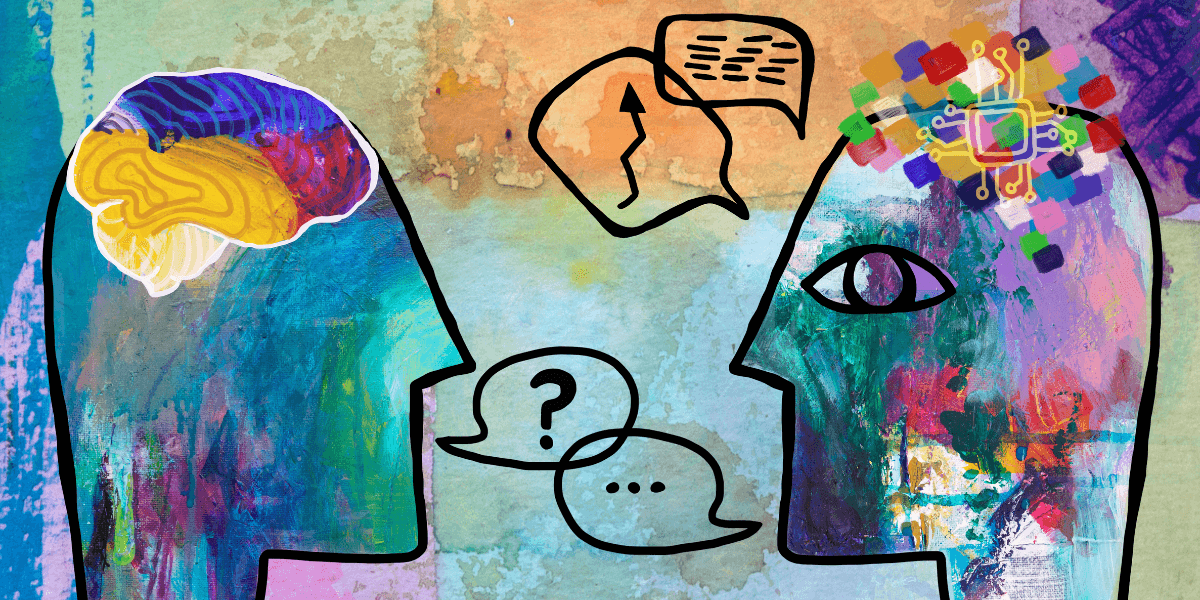
ISI researchers dive deep into evaluating how well language models can reason about our everyday world.
Read More
EPISODE 14 | ISI’s Artificial Intelligence director, anthropologist Adam Russell, gets to know his researchers. This week: Jonathan May
Read More
EPISODE 13 | ISI’s Artificial Intelligence director, anthropologist Adam Russell, gets to know his researchers. This week: Mayank Kejriwal